
Toilet repair and installation in Leander, TX
Leander Toilet Installation and Repair: Running Water, Clogs and a Rocking Base
A toilet that runs all day, clogs twice a week or rocks on the floor is telling you which part has failed. This page shows how to test for a silent leak, what fails inside the tank, when a clog is more than a plunger job and what a replacement or move involves. Toilet installation Leander TX homeowners plan is a simple swap when the new toilet fits the old spot.
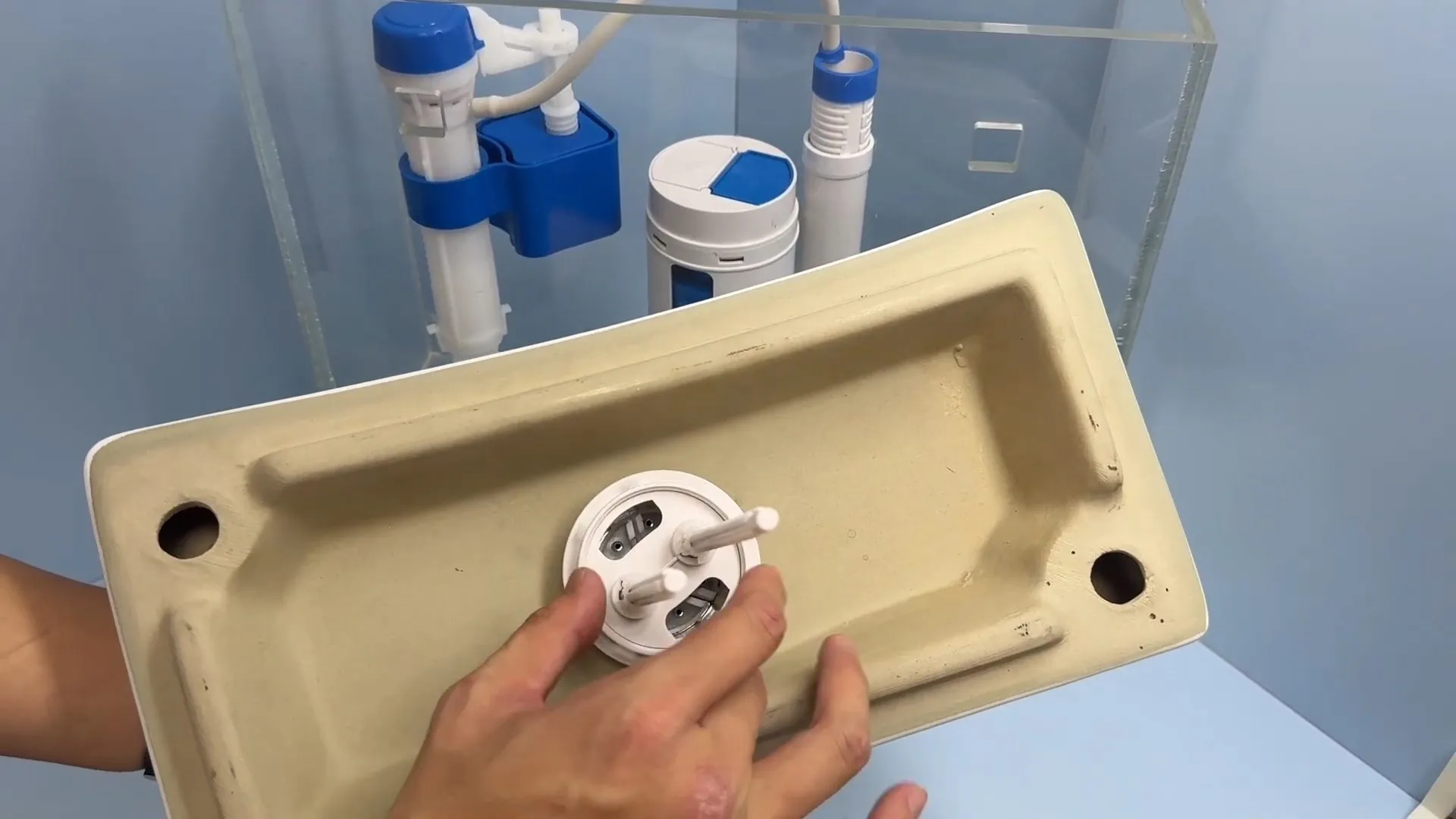
Running, weeping or silently leaking: how do you test a toilet?
A toilet that runs on its own wastes water all day, and a toilet that leaks silently can run up the bill without a sound. The test takes five minutes and needs a little food coloring.
- Remove the tank lid and add a few drops of food coloring to the tank water. Do not flush.
- Wait 15 minutes without anyone using the toilet.
- Look in the bowl. If color appears, the flapper is not sealing and water is leaking into the bowl.
- Listen and watch. If the tank refills on its own every few minutes or hisses, the fill valve or flapper needs attention.
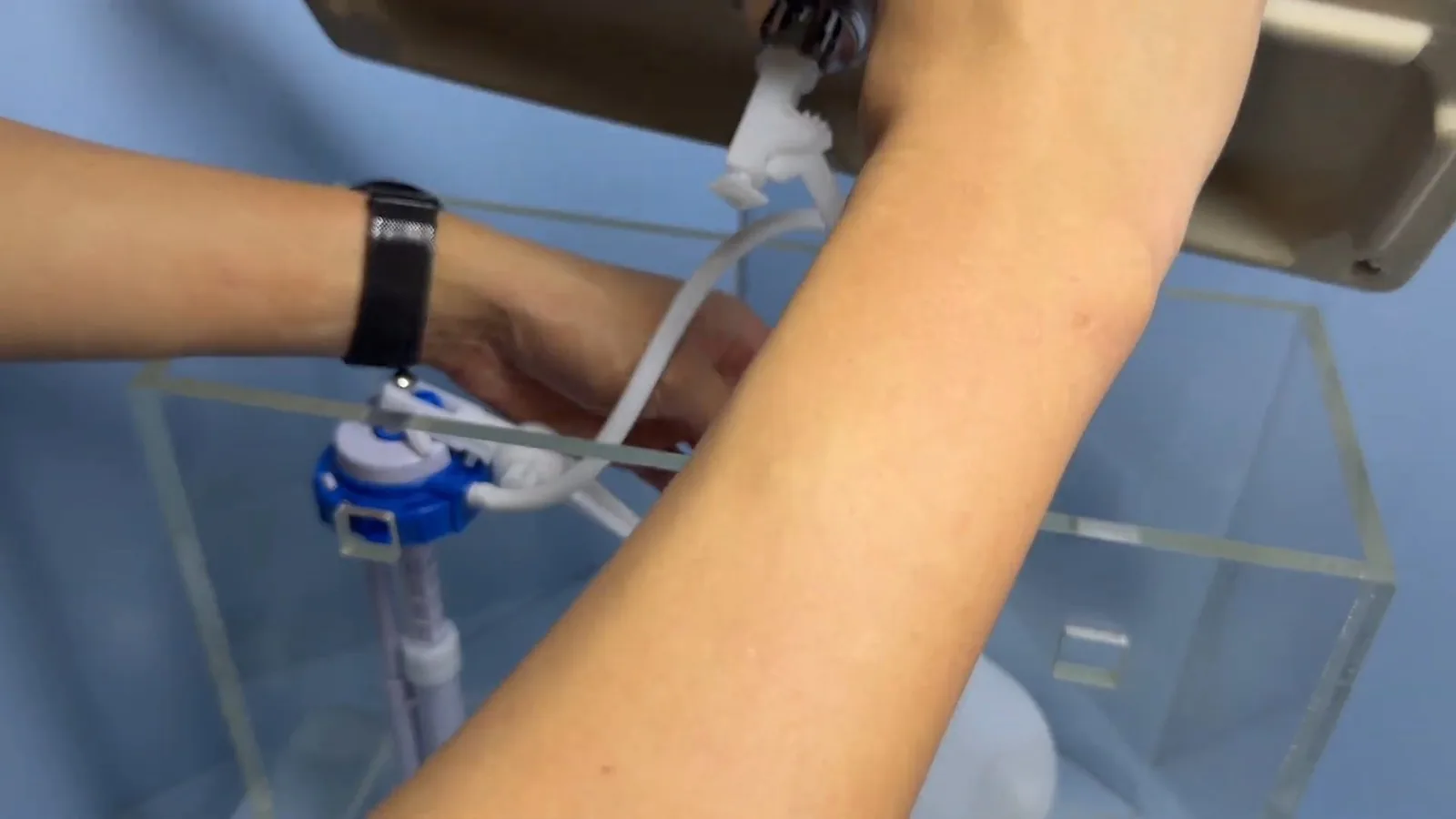
If the meter moves with everything off and the toilets pass the dye test, the leak is elsewhere. Our page on finding hidden water leaks covers the next step.
What fails inside the tank, and is it a repair?
Most running toilets come down to three parts. They are inexpensive and mostly replaceable without removing the toilet.
| Part | Symptom | Fix |
|---|---|---|
| Flapper | Runs after flushing, dye test shows color in the bowl | Replace the flapper |
| Fill valve | Hisses, refills constantly, water level too high | Replace or adjust the fill valve |
| Flush handle and chain | Handle sticks, chain too tight or too loose | Adjust or replace |
| Flush valve seat | New flapper still leaks | Replace the flush valve |
The City of Leander's 2024 water report lists hardness at 194 ppm, which is very hard. Mineral deposits can roughen the flapper seat and foul the fill valve, so these parts may wear faster here than the packaging suggests. If the same part keeps failing, ask the plumber to check the seat and look at the water.
If you are replacing parts yourself, shut the supply valve under the tank first, and take the old part to the store to match it.
A toilet that keeps running or leaking?
Say what happens when you flush and what you have already tried. You will be routed to a plumber who handles toilet repairs in your part of Leander.
Call (833) 571-0120A clogged toilet: plunge, stop or call?
One clogged toilet is usually a plunger job. A clog that affects other fixtures is not.
- Use a flange plungerIt has a rubber flap that seals in the drain. Push and pull steadily for about twenty seconds.
- Do not flush again if the bowl is highA second flush on a full bowl overflows it. Let the water drop first.
- Try a closet augerIt clears most clogs a plunger cannot, without scratching the porcelain.
- Stop if other fixtures are slowIf a tub or a sink gurgles, the clog is in the line. See clearing a clogged drain line.
Avoid chemical drain openers in a toilet. They can damage the bowl and the wax seal and leave a hazard for whoever opens the line next. If sewage is rising in the lowest drain of the house, stop using water and call. The City of Leander's Public Works number is 512-259-2640 if the problem may be in the street line.
A rocking toilet or water at the base: wax ring or something worse?
A toilet should not move. If it rocks or water appears around the base, the seal under it has probably failed, and the floor may already be damaged.
- Check for rocking. Press on each side of the bowl. Movement means loose bolts or a failed seal.
- Look for staining on the floor around the base or on the ceiling below.
- Press the floor near the toilet. A soft spot means water has reached the subfloor.
- Stop using it if water is visible, and call.
The common repair is a new wax ring or seal, with the toilet reset and the bolts checked. If the flange, the ring that holds the toilet to the floor, is cracked or sits too low, it needs repair, and a soft floor has to be dried and repaired as well. Water that has soaked the subfloor is a case for drying a water-damaged floor.
Replace it, or move it: what does a new toilet involve?
A toilet in the same spot is a straightforward swap if the new one fits. A toilet in a new spot changes the plumbing, and that changes the permit question.
- Measure the rough-inThe distance from the wall to the center of the drain is commonly 12 inches. A different distance needs a matching toilet.
- Check the flangeIt should be in good condition and sit level with the finished floor.
- Look for the WaterSense labelIt marks toilets certified by the EPA to use less water per flush.
- Consider height and shapeTaller bowls are easier for many adults, and elongated bowls are larger.
The City of Leander says replacing fixtures without altering plumbing needs no permit. Moving a toilet alters the drain, so ask the plumber whether a permit is needed. Texas requires plumbing work to be done by a licensed plumber or under one's supervision, and you can check a license on the Texas State Board of Plumbing Examiners site. For ranges, see the cost ranges for Leander plumbing.
Should you replace the shutoff valve and supply line at the same time?
A toilet swap is the easiest moment to renew the small parts that connect it to the wall. They are also the parts that fail with the least warning.
- The shutoff valveValves that have not been turned in years can seize or weep when you close them. If it will not close fully, replace it before the toilet comes off.
- The supply lineA braided stainless line lasts longer than a plain plastic one. Replace an old line rather than reusing it.
- The closet bolts and the sealUse new bolts and a new wax ring or seal every time a toilet is reset. Reusing a ring is a common cause of a leak at the base.
- The floor flangeCheck it for cracks and for height. A damaged flange is the usual reason a new toilet rocks.
Ask the plumber to test each connection under pressure and to wipe the base dry before leaving. A dry base after the first flushes is the quickest sign of a good seal.
Whole-house backups and floods: which page to read
This page covers household toilets: running, leaking, clogs and replacement. A backup that affects the whole house is a drain-line problem, and a flooded floor is a water-damage problem. Each has its own page. For questions people ask often, see the common plumbing questions for Leander.
Describe what the toilet is doing
Say whether it runs, clogs or rocks. You will be routed to a plumber who handles toilets in your area.
Call (833) 571-0120