
Slab leaks in Leander, TX
Leander Slab Leak Repair: Warm Floor Spots, Running-Water Sounds and the Reroute Decision
A warm patch on the floor, a meter that keeps moving or the faint sound of water under the house can mean a leak in a pipe you cannot see. This page explains how to tell a slab leak from other leaks, how it is located without breaking the floor and how to choose between a repair, a reroute and a repipe. Slab leak detection & repair Leander TX homeowners ask about usually starts with a meter test and a warm floor spot.
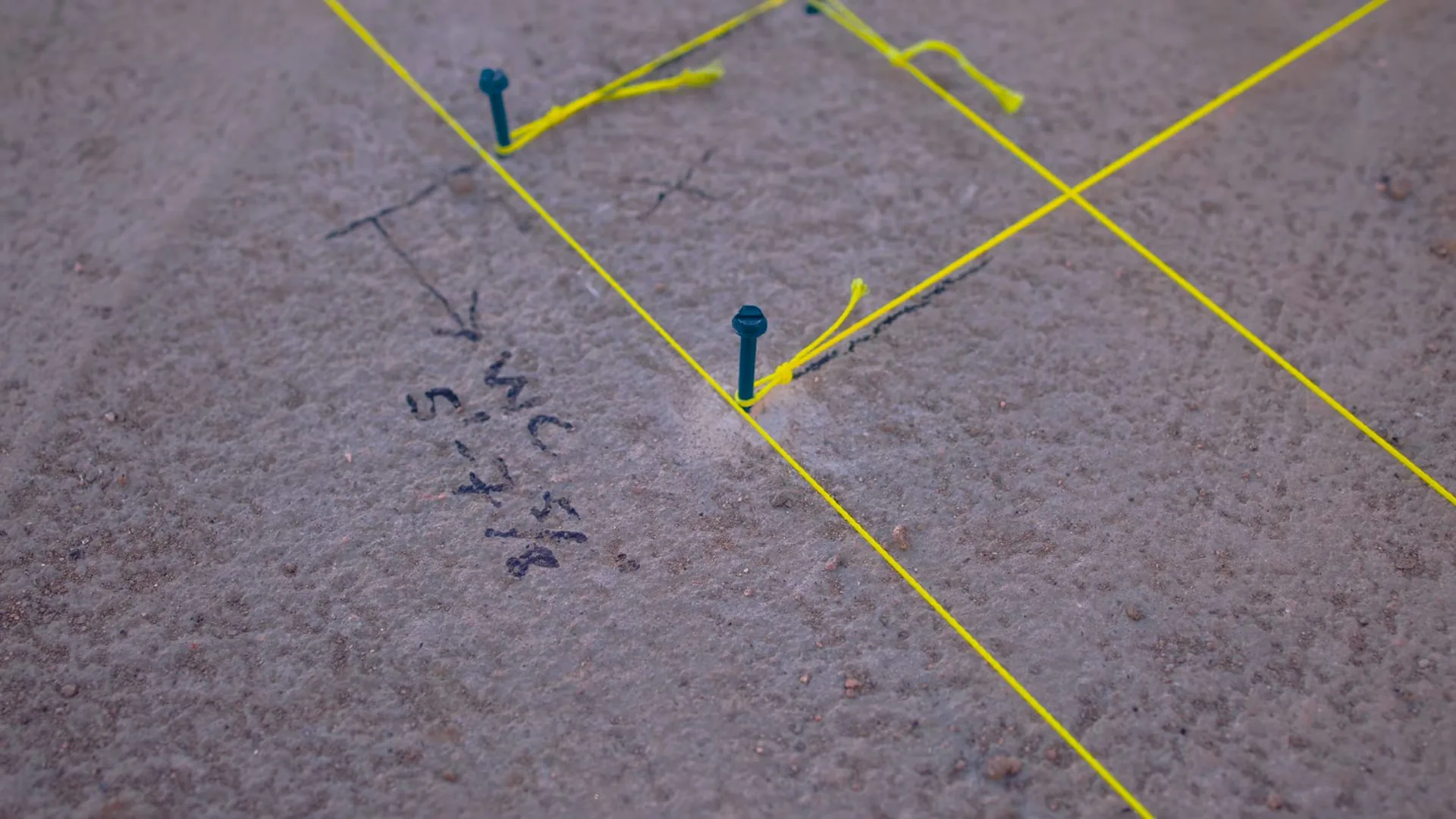
Do you have a slab leak, or a different kind of leak?
A slab leak is a leak in a pipe that runs under or inside the concrete floor of the house. Because you cannot see the pipe, the symptoms show up somewhere else. Most of them are also caused by other things, so the pattern matters more than any single sign.
| Sign | What it can mean | How strongly it points to the slab |
|---|---|---|
| A floor spot that is warm to bare feet | A hot-water line leaking under it | Strong |
| The sound of running water with every tap off | A leak under pressure somewhere | Moderate, could be any leak |
| A water meter that moves with the house quiet | A leak between the meter and the fixtures | Moderate, run the meter test |
| Damp carpet or baseboards on a ground floor | A leak under or behind the wall | Moderate |
| Hot water that runs out fast with a normal heater | A hot line leaking before it reaches the taps | Weak, heater faults are more common |
| A sudden rise in the water bill | Any leak, including a toilet | Weak on its own |
The meter test is the first step, and our page on leak detection in Leander walks through it. A moving meter plus a warm floor spot is a strong combination. A moving meter alone could be a toilet.
What should you do first about a slab leak, and what can wait?
A slab leak is not a flood, but it keeps running. The water feeds damage under the floor and your water bill, so the order matters.
- Close the main shutoff if you hear water running, the floor is warm or the meter keeps moving. That stops the leak while you decide what to do.
- Look for wet flooring. Lift a corner of carpet or check baseboards. Dry floors mean you have time to schedule a visit.
- Take photos and note the meter reading. They support the plumber's diagnosis and any insurance claim.
- Do not cut or drill the floor yourself. Slabs can contain cables and pipes, and a wrong cut makes the repair larger.
If the water is off and nothing is wet, the repair can be scheduled. If water is coming up through the floor or a wall, call now.
How is a slab leak found without breaking the floor?
Locating the leak is the step that decides the cost. A plumber who guesses breaks more concrete than one who confirms the spot first.
- Pressure testingThe plumber isolates the hot and cold lines to learn which one is losing pressure.
- Acoustic detectionA microphone traces the sound of escaping water along the slab surface.
- Thermal imagingA camera shows the warm path of a hot-water leak through the floor.
Ask which of these found the leak, how far it is from a wall or fixture and how the plumber confirmed it. A good report has a sketch with distances, not just "somewhere near the kitchen."
Warm floor spot or a meter that will not stop?
Tell us what you found and where. You will be routed to a plumber who locates slab leaks in your part of Leander.
Call (833) 571-0120Repair it under the slab, reroute the line or repipe the house?
Once the leak is found, there are three realistic paths. The right one depends on how many leaks there are, where the pipe runs and how accessible the alternative route is.
| Option | What it involves | Best when |
|---|---|---|
| Spot repair under the slab | Cut a small opening in the floor, repair the pipe, patch the concrete | One leak, easy access, a pipe in otherwise good shape |
| Reroute the line | Abandon the leaking line and run a new one through walls or the attic | The line is hard to reach, or leaks have repeated |
| Repipe the house | Replace the supply lines throughout | Several leaks, or repair after repair |
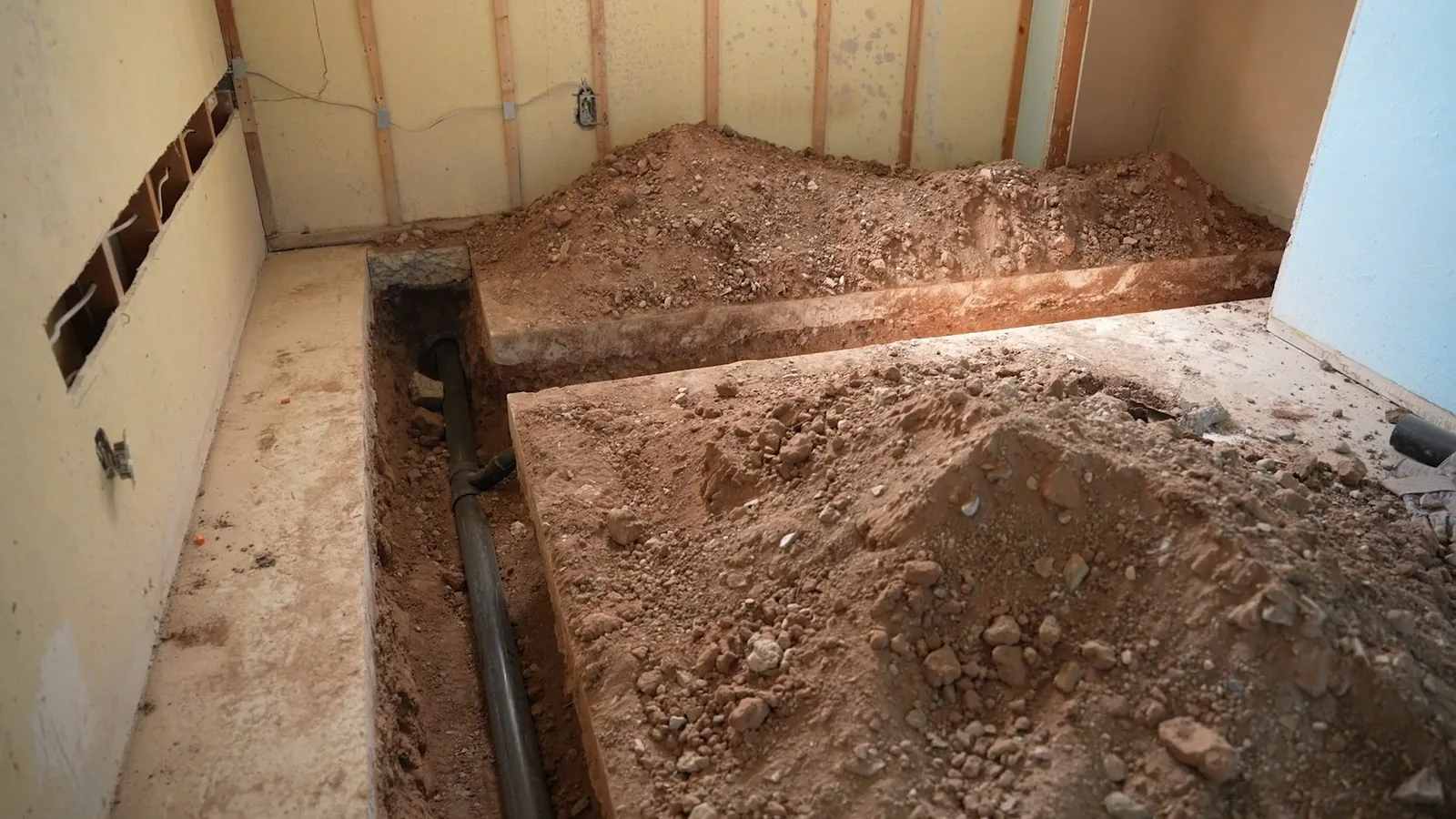
Rerouting avoids cutting the slab and leaves the old line capped under it. It costs more on day one, but it often costs less than a second slab repair a year later. Our page on repiping a whole house covers the larger project. For ranges on all three, see the plumbing cost guide.
Does your slab contain post-tension cables, and why does it matter?
Many modern slabs are post-tensioned, which means steel cables run through the concrete under high tension. Cutting into one by accident is dangerous and can weaken the slab. It is the main reason a slab repair should never start with a guess.
- Ask the builder or check the plansThe builder's records or the original plans say whether the slab is post-tensioned.
- Ask for a scan before any cutGround-penetrating radar or x-ray locates cables and pipes before the saw touches the floor.
- Ask who is responsible if a cable is hitA plumber who scans first has a record of why they cut where they did.
We do not have a verified source on which Leander neighborhoods have post-tensioned slabs, so we do not say. Ask yours.
Insurance, documentation and foundation questions
A slab leak can cost more than the repair itself, and policies differ on what they pay for. Check your own policy before you authorize anything beyond stopping the leak.
- Call your insurer earlyAsk whether the policy covers finding the leak, opening the floor, repairing the pipe and restoring the floor. Policies vary on each.
- Keep the plumber's written reportIt should state the method, the location and the pipe condition, and include photos.
- Watch for cracksA plumber cannot assess a foundation. If you see new cracks in walls or floors, ask a structural engineer.
Water that has soaked flooring or drywall needs drying, which our page on water damage cleanup and drying describes. Texas requires plumbing work to be done by a licensed plumber or under one's supervision, and you can check a license on the Texas State Board of Plumbing Examiners site. If the repair means digging in the yard to reach a line, Texas811 asks for notice at least two business days before.
Slab type and soil: what a scan will tell you
A plumber who scans your slab will tell you what is under yours, including the slab type and the soil around it, and that decides which repair path is realistic.
This page describes household service only. If you have a commercial building, say so on the call. For questions people ask often, see the frequently asked plumbing questions.
Sources: Texas811; Texas Occupations Code 1301.351. Repair options and post-tension guidance are general practice, not a diagnosis of your home.
Get a slab leak located before the floor is cut
Tell us what you found and where. You will be routed to a plumber who locates under-slab leaks in your area.
Call (833) 571-0120